Revolutionizing Diagnostics through Advanced Clinical Imaging
- studiocbp24
- 4 hours ago
- 4 min read
In the realm of healthcare, the ability to diagnose conditions accurately and swiftly is paramount. Advanced clinical imaging technologies are transforming the landscape of diagnostics, enabling healthcare professionals to detect diseases at earlier stages and with greater precision. This blog post explores how these innovations are reshaping diagnostics, the various imaging modalities available, and the implications for patient care.

Understanding Advanced Clinical Imaging
Advanced clinical imaging encompasses a variety of techniques that allow for the visualization of the internal structures of the body. These technologies include:
Magnetic Resonance Imaging (MRI): Utilizes strong magnetic fields and radio waves to produce detailed images of organs and tissues.
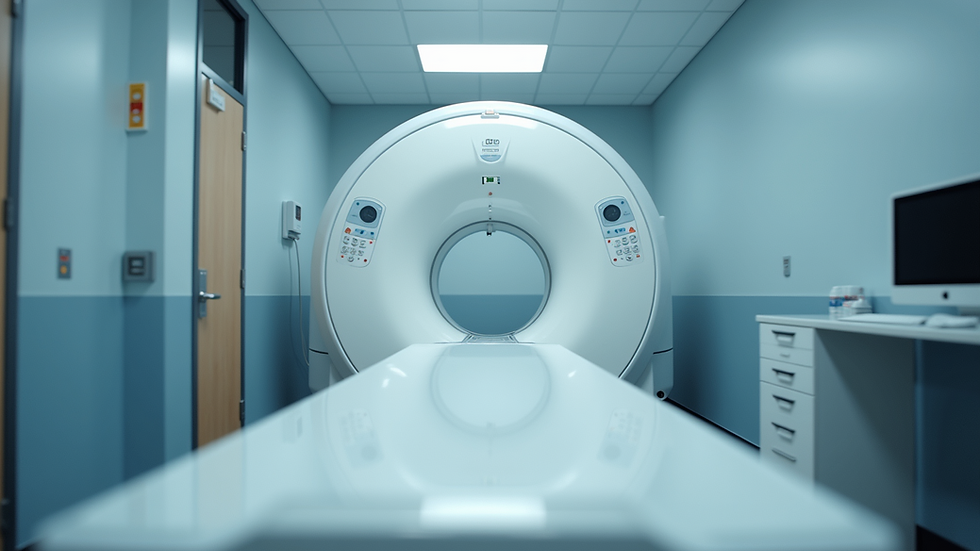
Computed Tomography (CT): Combines X-ray images taken from different angles to create cross-sectional views of bones, blood vessels, and soft tissues.
Ultrasound: Uses high-frequency sound waves to create images of organs and structures inside the body.
Positron Emission Tomography (PET): Involves the use of radioactive substances to visualize metabolic processes in the body.
Each of these modalities has unique strengths and applications, making them invaluable tools in modern medicine.
The Impact of Advanced Imaging on Diagnostics
Early Detection of Diseases
One of the most significant advantages of advanced clinical imaging is its ability to facilitate early disease detection. For instance, MRI scans can identify tumors that are too small to be felt during a physical examination. Early detection often leads to better treatment outcomes, particularly in conditions such as cancer, where timely intervention can significantly improve survival rates.
Enhanced Accuracy
Advanced imaging techniques provide high-resolution images that allow for more accurate diagnoses. For example, CT scans can reveal intricate details of internal organs, helping physicians differentiate between benign and malignant growths. This level of detail reduces the likelihood of misdiagnosis and ensures that patients receive the appropriate treatment.
Non-Invasive Procedures
Many advanced imaging techniques are non-invasive, meaning they do not require surgical procedures to obtain diagnostic information. This is particularly beneficial for patients who may be at risk for complications from invasive procedures. For example, ultrasound is often used to monitor fetal development during pregnancy without posing any risk to the mother or child.
Personalized Treatment Plans
With the detailed information provided by advanced imaging, healthcare providers can develop personalized treatment plans tailored to the specific needs of each patient. For instance, imaging can help determine the exact location and size of a tumor, allowing for targeted radiation therapy that minimizes damage to surrounding healthy tissue.
Case Studies: Success Stories in Advanced Imaging
Case Study 1: Breast Cancer Detection
A study published in the Journal of the American Medical Association found that women who underwent annual MRI screenings in addition to mammograms had a 45% higher detection rate of breast cancer compared to those who only had mammograms. This highlights the importance of incorporating advanced imaging techniques into routine screenings for high-risk populations.
Case Study 2: Stroke Diagnosis
In a clinical trial, patients presenting with stroke symptoms were evaluated using CT angiography, an advanced imaging technique that visualizes blood vessels in the brain. The results showed that this method significantly reduced the time to diagnosis and treatment, leading to improved outcomes for patients experiencing acute strokes.
Challenges and Considerations
While advanced clinical imaging offers numerous benefits, there are challenges that must be addressed:
Cost and Accessibility
Advanced imaging technologies can be expensive to implement and maintain. This can lead to disparities in access, particularly in underserved communities. Efforts must be made to ensure that all patients have access to these life-saving technologies.
Radiation Exposure
Certain imaging techniques, such as CT scans, involve exposure to ionizing radiation. While the benefits often outweigh the risks, it is essential for healthcare providers to carefully consider the necessity of each imaging procedure and to minimize radiation exposure whenever possible.
Training and Expertise
The interpretation of advanced imaging results requires specialized training and expertise. Ensuring that healthcare professionals are adequately trained in these technologies is crucial for maximizing their benefits and minimizing errors in diagnosis.
The Future of Advanced Clinical Imaging
As technology continues to evolve, the future of advanced clinical imaging looks promising. Innovations such as artificial intelligence (AI) are being integrated into imaging processes, enhancing the ability to analyze images and detect abnormalities. AI algorithms can assist radiologists by highlighting areas of concern, thereby improving diagnostic accuracy and efficiency.
Integration with Telemedicine
The rise of telemedicine has opened new avenues for the use of advanced imaging. Remote consultations can be enhanced by sharing imaging results in real-time, allowing specialists to collaborate on diagnoses and treatment plans without geographical limitations.
3D Imaging and Virtual Reality
Emerging technologies such as 3D imaging and virtual reality are set to revolutionize how clinicians visualize and interact with imaging data. These tools can provide immersive experiences that enhance understanding and improve surgical planning.
Conclusion
Advanced clinical imaging is revolutionizing diagnostics, offering unprecedented opportunities for early detection, accuracy, and personalized treatment. As these technologies continue to evolve, they hold the potential to significantly improve patient outcomes and transform the healthcare landscape. It is essential for healthcare providers, policymakers, and patients to work together to ensure that these advancements are accessible and utilized effectively. The future of diagnostics is bright, and with continued innovation, we can look forward to a new era of healthcare that prioritizes precision and patient-centered care.

Comments