Enhancing Patient Care with Clinical Imaging Services
- studiocbp24
- 5 hours ago
- 3 min read
In the realm of healthcare, clinical imaging services play a pivotal role in diagnosing and treating patients effectively. These services not only aid in identifying medical conditions but also enhance the overall patient experience. As technology advances, the integration of clinical imaging into patient care becomes increasingly vital. This blog post explores how clinical imaging services can significantly improve patient care, the various types of imaging available, and the future of these services in healthcare.
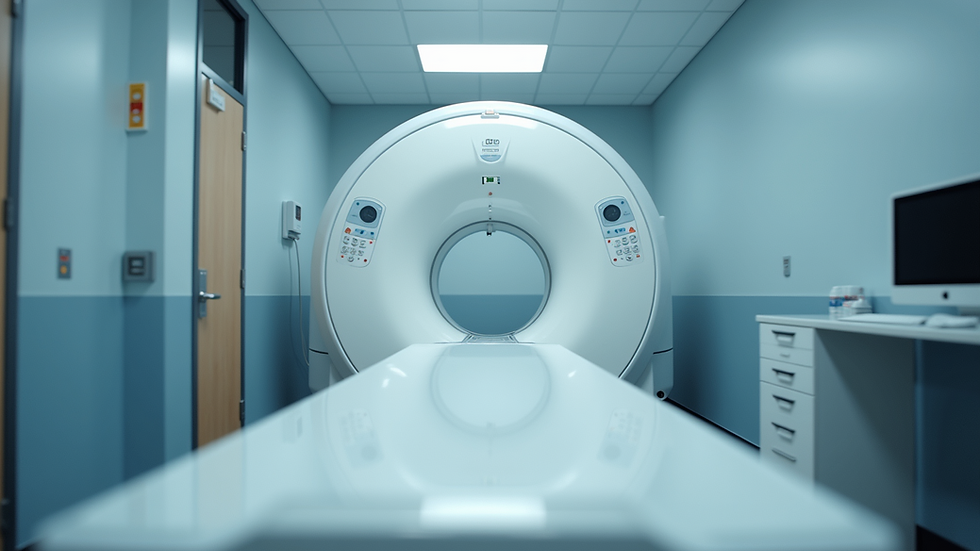
Understanding Clinical Imaging Services
Clinical imaging services encompass a variety of techniques used to visualize the interior of a body for clinical analysis and medical intervention. These services include:
X-rays: The most common form of imaging, used primarily to view bones and detect fractures.
MRI (Magnetic Resonance Imaging): Utilizes strong magnets and radio waves to create detailed images of organs and tissues.
CT Scans (Computed Tomography): Combines X-ray images taken from different angles to produce cross-sectional images of bones and soft tissues.
Ultrasound: Uses high-frequency sound waves to create images of organs and structures inside the body.
Each of these imaging techniques has its unique advantages and applications, making them essential tools in modern medicine.
The Importance of Clinical Imaging in Patient Care
Early Diagnosis and Treatment
One of the most significant benefits of clinical imaging services is their ability to facilitate early diagnosis. For instance, a CT scan can detect tumors at an early stage, allowing for timely intervention. Early diagnosis often leads to better treatment outcomes, as conditions can be addressed before they progress.
Personalized Treatment Plans
Clinical imaging provides healthcare professionals with detailed insights into a patient's condition. This information is crucial for developing personalized treatment plans. For example, MRI scans can reveal the extent of a brain tumor, enabling doctors to tailor treatment strategies based on the tumor's size and location.
Enhanced Patient Safety
Imaging services also contribute to patient safety. By providing clear and accurate images, healthcare providers can minimize the risk of misdiagnosis. This accuracy is particularly important in complex cases where treatment decisions can significantly impact patient health.
Improved Patient Experience
The integration of advanced imaging technologies enhances the overall patient experience. Patients often feel more at ease when they understand their condition through clear visual representations. Additionally, many imaging procedures are non-invasive, reducing the discomfort and anxiety associated with traditional diagnostic methods.
Types of Clinical Imaging Services
X-rays
X-rays are the most widely used imaging technique, primarily for diagnosing bone fractures and infections. They are quick, cost-effective, and widely available. However, they do expose patients to a small amount of radiation, which is a consideration for healthcare providers.
MRI
MRI is particularly useful for imaging soft tissues, such as the brain, muscles, and ligaments. It does not use ionizing radiation, making it a safer option for many patients. MRI scans can take longer than X-rays, but they provide much more detailed images.
CT Scans
CT scans are invaluable in emergency situations, as they can quickly provide detailed images of internal injuries. They are often used to assess trauma, detect cancers, and guide treatment decisions. However, like X-rays, they involve exposure to radiation.
Ultrasound
Ultrasound is commonly used in obstetrics to monitor fetal development. It is also used to examine organs such as the heart, liver, and kidneys. Ultrasound is safe, as it does not involve radiation, making it suitable for pregnant women and children.
The Future of Clinical Imaging Services
As technology continues to evolve, the future of clinical imaging services looks promising. Here are some trends to watch:
Artificial Intelligence Integration
AI is beginning to play a significant role in clinical imaging. Algorithms can analyze images faster and sometimes more accurately than human radiologists. This technology can assist in identifying abnormalities and improving diagnostic accuracy.
3D Imaging
3D imaging is becoming more prevalent in clinical settings. This technology allows for more detailed visualization of complex structures, aiding in surgical planning and improving patient outcomes.
Telemedicine and Remote Imaging
The rise of telemedicine has opened new avenues for clinical imaging services. Remote imaging allows healthcare providers to consult with specialists without requiring patients to travel. This can be particularly beneficial for those in rural areas or with mobility issues.
Conclusion
Clinical imaging services are essential in enhancing patient care. They facilitate early diagnosis, support personalized treatment plans, and improve patient safety and experience. As technology advances, the integration of AI, 3D imaging, and telemedicine will further revolutionize these services. By embracing these innovations, healthcare providers can continue to improve patient outcomes and experiences.
Incorporating clinical imaging into patient care is not just about technology; it’s about building a stronger, more informed healthcare system that prioritizes patient well-being. As we look to the future, the potential for clinical imaging services to transform healthcare is immense, and it is an exciting time for both patients and providers alike.


Comments